
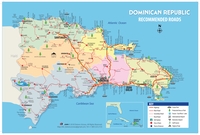
The Dominican Republic occupies 2/3 of the Hispaniola or Haiti island, the rest of which is the Republic of Haiti. The Dominican Republic is the second largest country in the Caribbean, with an area of 48,442 km². The population of the country is more than 10 million. person. Located in the heart of the Caribbean region, in the north the coast of the Dominican Republic is washed by the Atlantic Ocean, and in the south by the Caribbean Sea. To the east, the Mona Strait separates the country from Puerto Rico, and the Jamaica Strait separates the country to the west from Cuba and Jamaica. In addition to the main territory, the Republic also owns three small islands: Beata, Catalina, Saona and Cayo Levantado.
The most popular tourist centers of the country are concentrated in the east of the country. Beaches, national parks, marine reserves, beautiful golf courses, ancient caves with Indian pictograms, turbulent rivers and typical villages surrounded by many kilometers of sugarcane fields.
 The Dominican Republic’s capital city, Santo Domingo is also the most modern and dynamic metropolis in the Caribbean. La Capital—as it is affectionately called—epitomizes the pulse of Dominican culture, where the old and the new converge seamlessly from centuries old architecture and history, to large shopping malls, art galleries, an electric nightlife, and a booming gastronomy scene.
Exploring the Colonial City—the first European settlement of the Americas and a designated UNESCO World Heritage Site in 1990—is a recommended experience for all travelers. This historic neighborhood consists of a pedestrian-friendly maze of narrow streets brimming with 16th to early 20th century architectural wonders. They lead toward colonial buildings turned museums, shops, hotels, restaurants, and sidewalk cafés. Hop on the Chu Chu Colonial train for a 45-minute tour of the area, hire a guide who will walk you down the first paved road of the Americas while sharing tales, or rent a bike and meander on your own. For a nature break, picnic on the lawns of the National Botanical Garden, the largest in the Caribbean, or stroll down the Malecón at sunset for sea views, roadside snacks, and people watching.
There are large shopping malls in Santo Domingo, providing excellent shopping opportunities. Linen and leather goods are of the highest quality. Most of the international brands are represented in shopping centers. A perfect end to your shopping trip is to relax with a cup of Dominican coffee and a cigar in one of the restaurants on Plaza Espanya or Gustavo Mejia Ricart Street.
Las Americas International Airport (SDQ) is half an hour’s drive away.
A 10-minute drive from the Colonial City Center is the port of Don Diego, where cruise passenger liners arrive.
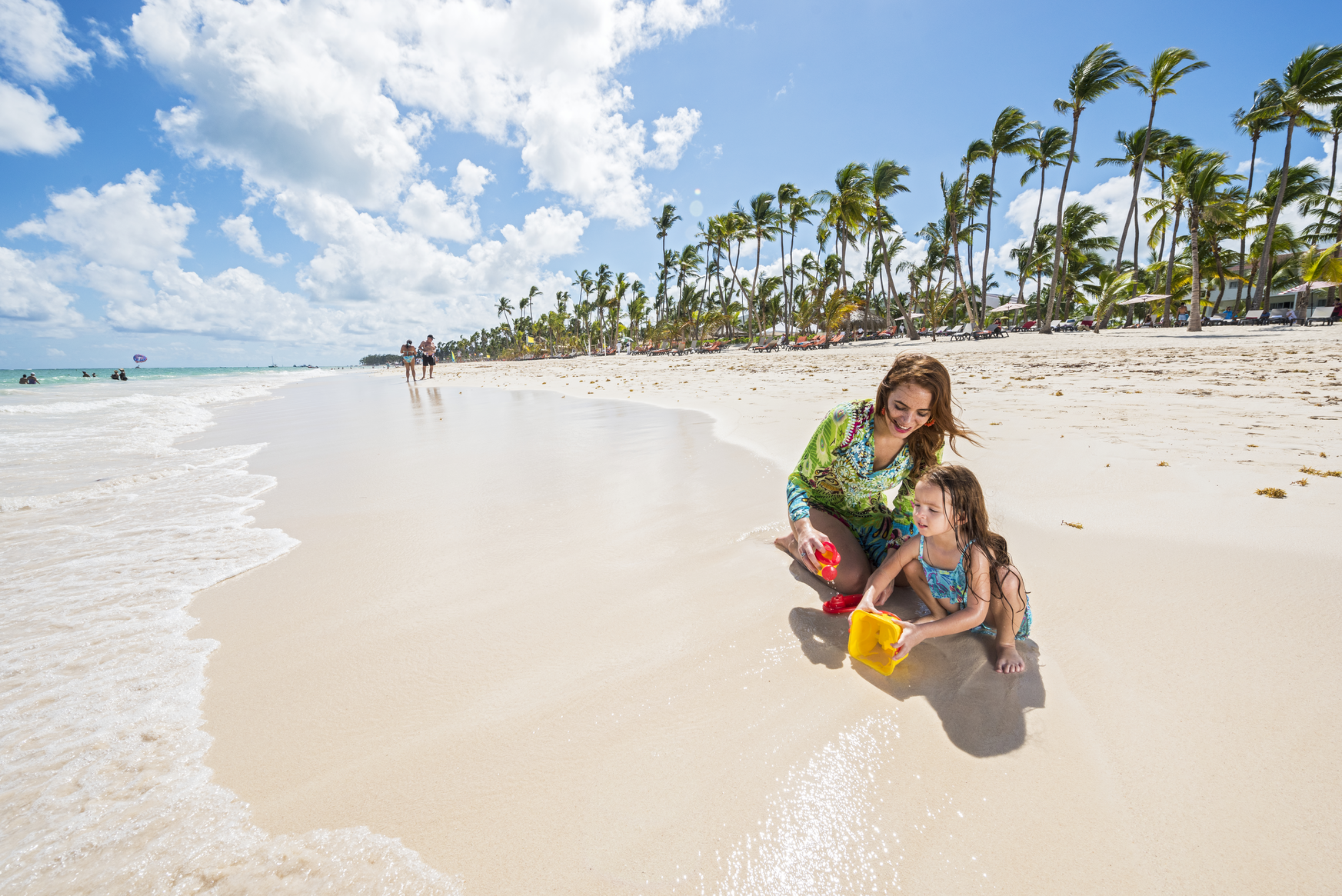 Punta Cana is a real paradise on earth, a place of rest and relaxation. Here, the Atlantic Ocean meets the Caribbean Sea, and luxury hotel complexes located on the shores of picturesque beaches offer a full range of services. Punta Cana is also an internationally renowned golfing destination, with 11 first-class golf courses along the resort coastline.
Most large hotel complexes are designed for families. There are children’s amusement parks and playgrounds on the territory of the hotels. The all-inclusive system is an ideal option for a family vacation and allows you not to think about breakfast, lunch and dinner, as well as other household issues necessary for a comfortable stay.
Punta Cana is a resort where every wedding is a dream come true, with romantic oceanfront altars and breathtaking landscapes waiting for couples.
Punta Cana International Airport (PUJ) is recognized as the best in the Caribbean and Central America, from here 81 airlines fly to 28 countries. Today, the new expressway provides visitors with an hour’s drive to La Romana and two and a half hours to Santo Domingo.
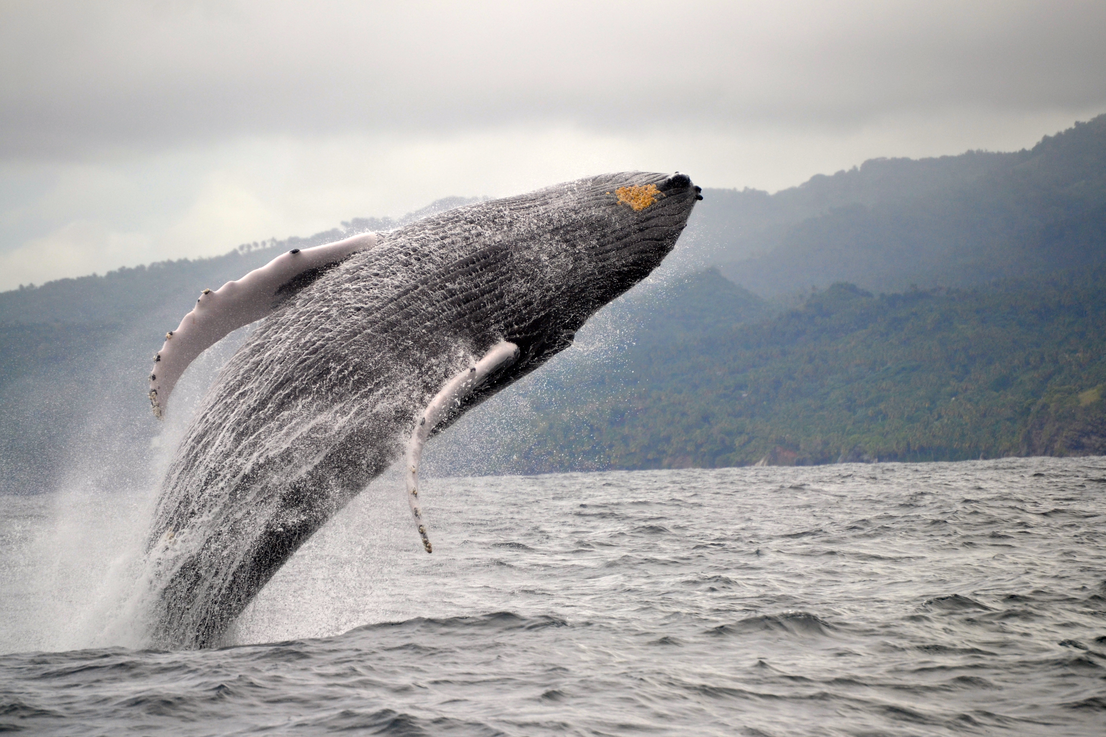 The Samana Peninsula is a truly natural and ecological treasure of the Dominican Republic. The province, with its many rivers, bays, mountains, waterfalls and magnificent seascapes, represents the most geographically surprising place on the Dominican coastline and offers tourists a relaxing exotic vacation. Samana remains a largely unexplored region, making it a tempting destination for adventure and ecotourism lovers. The peninsula is famous all over the world for its beautiful sandy beaches, white sand and water of an infinite variety of colors.
Europeans came here in search of new routes and remained unable to resist the charm of the province. Here, many expatriates have established their own small businesses, which gives Samana a special, free and multicultural character. The provincial capital is Santa Barbara de Samana; the town of Las Galeras is the most convenient for visiting the famous Rincon beach; Las Terrenas is a major tourist destination with many shops, restaurants and bars.
Samana is home to El Catey International Airport (AZS). Cruise ships arrive mainly during the winter season with a dock near the islet of Cayo Levantado.
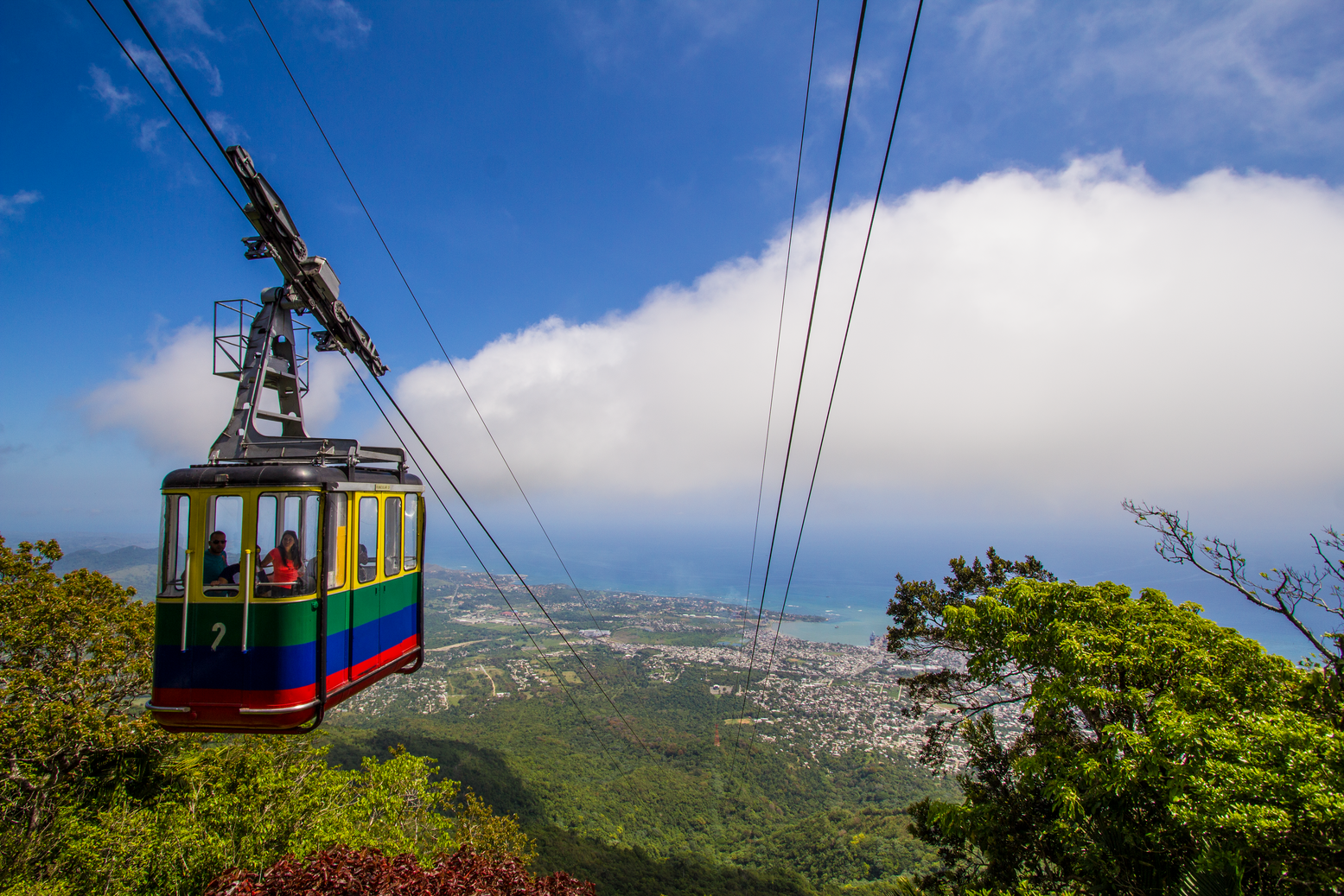 Silver clouds on top of Mount Isabel de Torres, towering behind Puerto Plata, gave the city its name (Spanish for “silver port”). Today, hundreds of travelers come to this northern province to take a cable car ride to see Puerto Plata from a bird’s eye view, visit the picturesque botanical gardens and enjoy stunning views of the port city.
 Puerto Plata boasts the largest collection of surviving 19th-century Victorian buildings in the Caribbean, and the San Felipe Fortress is one of the oldest military structures from the colonial period, dating back to 1577.
The northern province contains the remains of the first European settlements on the American continent. It was here in 1492 that three famous ships of Christopher Columbus moored and gave the land the name La Isabela.
Today Puerto Plata is better known as a charming province in the north of the Dominican Republic. Here travelers are waiting for about a hundred kilometers of the golden coast, as well as a variety of resort complexes, hotels and private houses. The resort towns of Sosua and Cabarete, popular around the world for windsurfing and kateboarding, are less than half an hour’s drive from Puerto Plata. The popular Ocean World amusement park is located at one end of the city; The waterfalls of the Damajagua River are just 30 minutes drive south of Puerto Plata.
On the territory of the province there is an international airport. Gregorio Luperona (POP), while Ocean World Marina provides a full range of sea and cruise services.
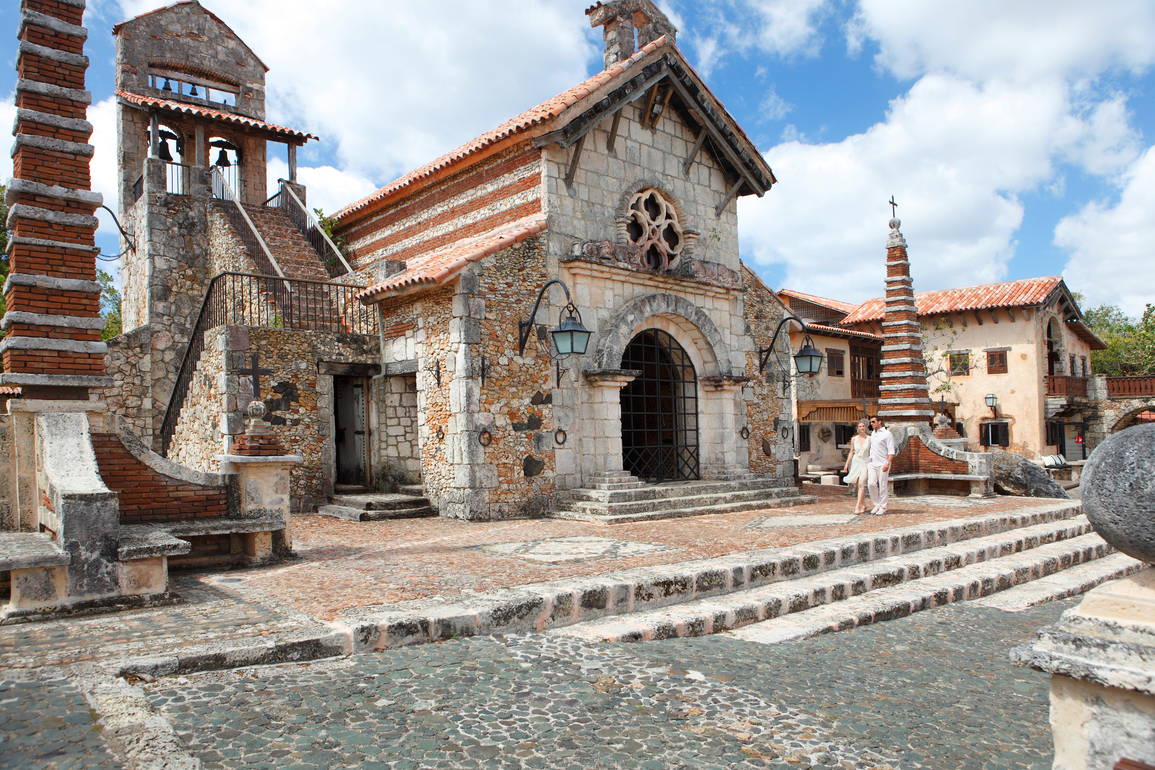 La Romana is a resort town, the capital of the province of the same name, one of the most popular and visited in the Dominican Republic.
 La Romana is a land of sugarcane, golf, beaches and diving. In the 1970s, the largest sugarcane refinery on the American continent expanded its scope of activities with the opening of the world famous Casa de Campo. Today, it is a fashionable resort offering first-class conditions for recreation and golf. World celebrities are frequent visitors to the Casa de Campo, especially they fell in love with the medieval-style streets of the town of Altos de Chavon, where art galleries, craft workshops and small designer shops are located. While it was golf that made La Romana a popular destination for tourists, today most visitors come here for its picturesque beaches and comfortable hotels.
The small resort town of Bayahibe is known primarily for its beaches and wide opportunities for ecotourism. The city’s harbor serves as a starting point for excursions to the Saona and Catalina islands. It is in Bayahibe that an endemic flower grows in abundance – the Bayahibe rose – recognized as the national flower of the republic in 2011.
The province has an international airport La Romana (LRM) and a sea tourist port.
 You can learn a lot about Caribbean and Dominican cultures and art in the city center Centro León, one of the most popular cultural sites in the republic. Hospital Metropolitano Medical Center is widely known for its reasonable prices and the highest quality of services provided.
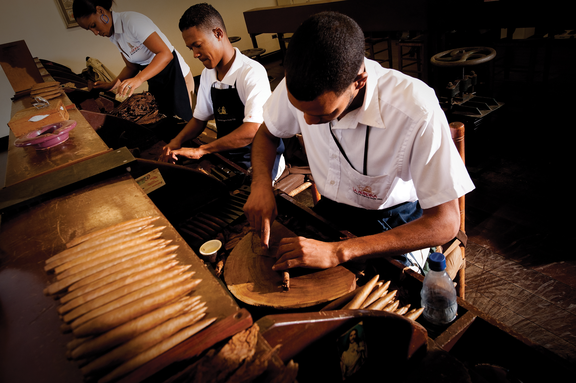
Christopher Columbus named the city Santiago de los Treinta Caballeros after thirty Spanish aristocrats who founded the settlement in 1495. Santiago has traditionally been the agricultural center of the country, and today it is the place where cigar lovers should go first. The tradition of making first-class cigars plays an important role in the life of Santiago, where most of the tobacco plantations and manufacturing factories are located. The second largest in the Dominican Republic, today the city of Santiago is a modern metropolis with a developed infrastructure.
Among other things, Santiago boasts a lively nightlife – in the evenings guests are greeted by about a hundred dance clubs, bars and lounge cafes. Most are located in the city center. Santiago is also home to the famous baseball club Aguilas Cibaeñas (Spanish for Cibao Eagles).
Shibao International Airport (STI) is a 15-minute drive from the city center.
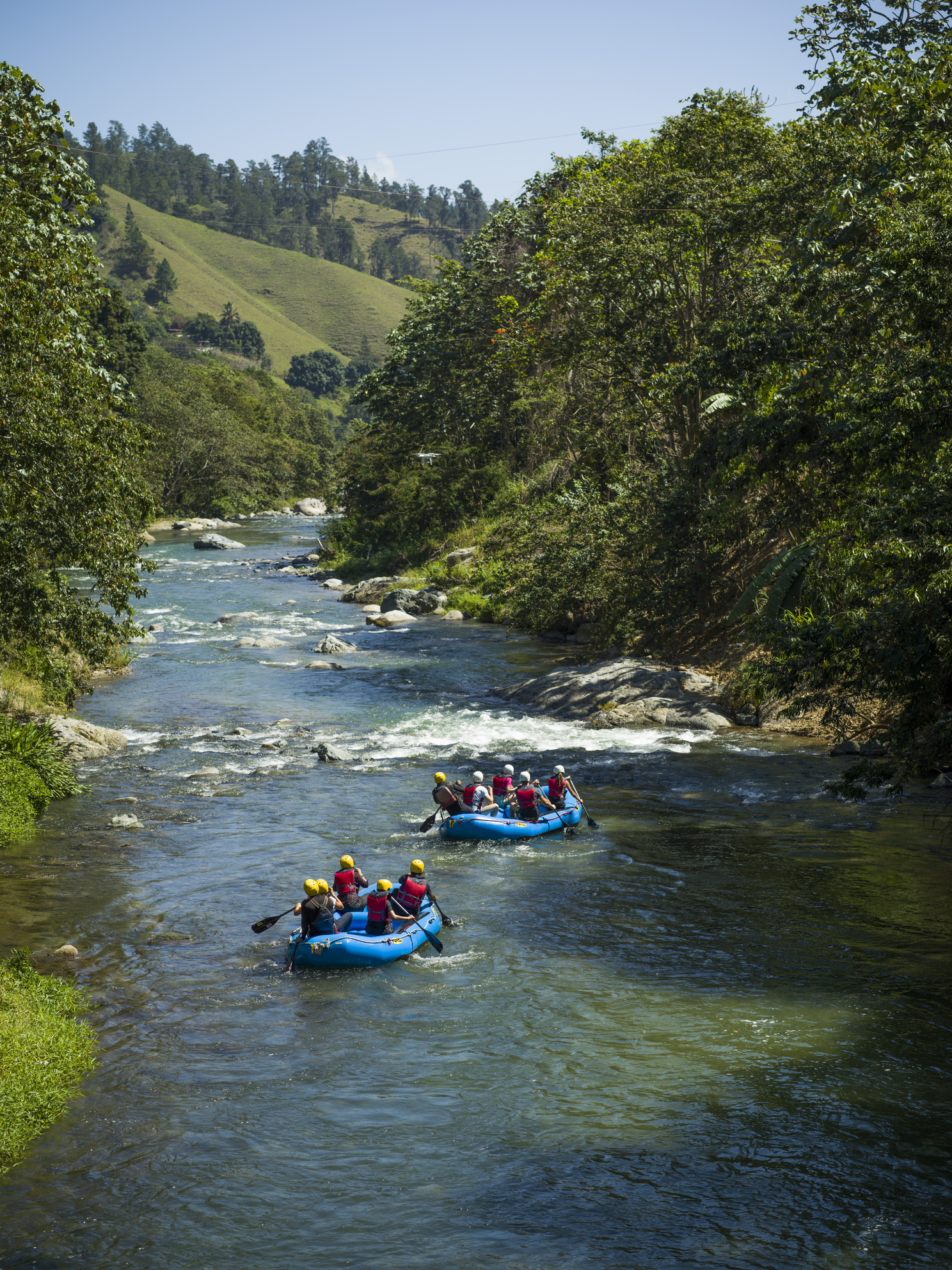 Located at an altitude of 529 meters, the Jarabacoa Valley is a mountain resort with beautiful pine forests, especially popular with the Dominicans. Residents of Santo Domingo and other major cities come here on weekends to enjoy the cool climate and relaxing atmosphere.
 In Jarabacoa, tourists tend to be active: numerous waterfalls, fast-flowing rivers and mountain peaks create ideal conditions for rafting, mountain biking, canyoning, paragliding, rapelling, horse riding and hiking.
Offices of tour operators are easily accessible in the province, where you can pick up a variety of sightseeing tours for every taste. One of the most popular routes is the ascent to the highest point in the Caribbean region – Peak Duarte. A significant proportion of tourists stop at large ranches; in the provinces, you can also choose to stay in a small hotel or rent a private house.
In Jarabacoa, grocery supermarkets, shops and restaurants are available to travelers; prices are moderate.
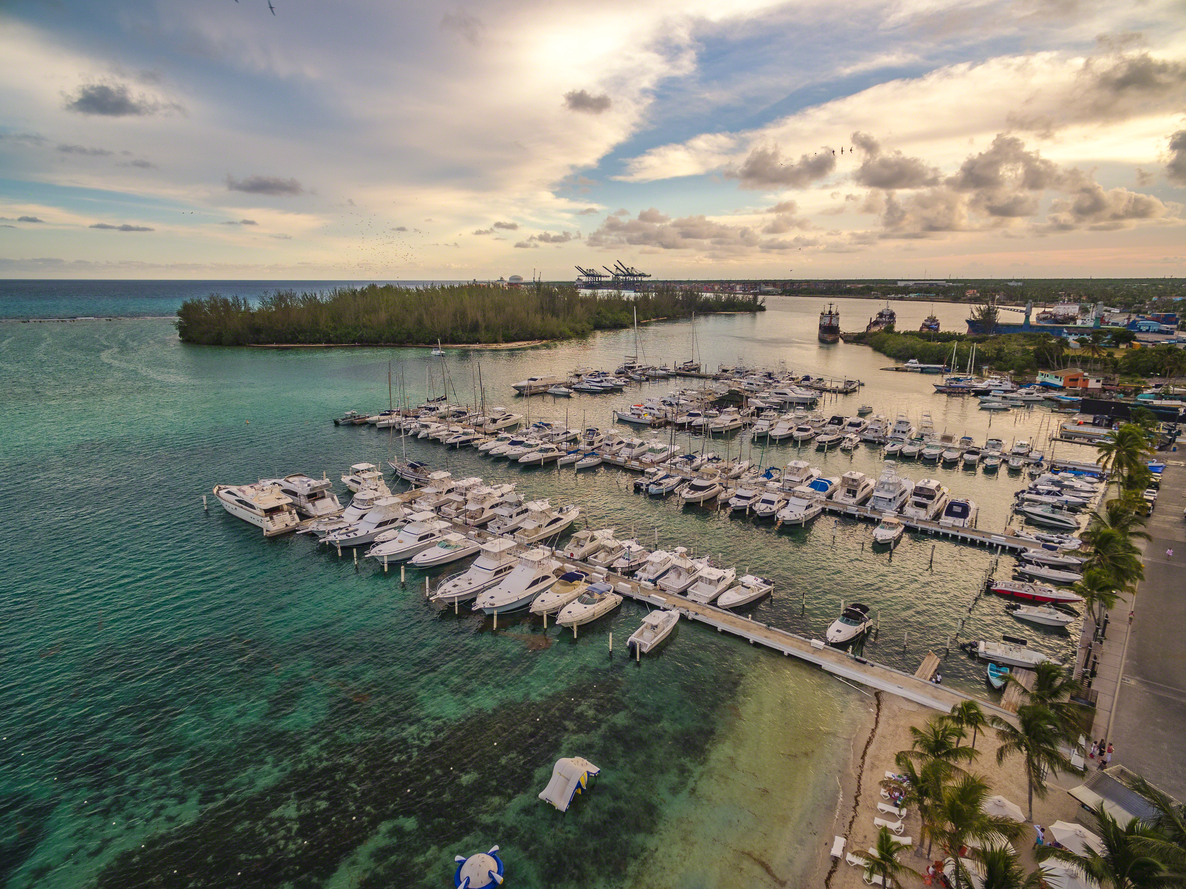 On weekends, Boca Chica welcomes guests from Santo Domingo, who visit the resort in search of white beaches and azure waters of the Caribbean Sea. This is the place to go for grilled fish and seafood in one of the cozy seaside restaurants. On weekdays, Boca Chica belongs to tourists. The resort is divided into three beach areas: Boca Chica – most notable for its comfortable beach, good restaurants and evening entertainment; Andres – suitable for going out to sea and sport fishing; La Caleta has excellent diving opportunities.
Non-family tourists often come here, but three large all-inclusive hotel complexes are focused on hosting conferences and tourists who come here for sports entertainment.
In addition to its stunning beaches, Boca Chica offers vacationers the opportunity to visit the Colonial City of Santo Domingo (half an hour’s drive away) and enjoy golfing on the first-class golf courses in Juan Dolio and La Romana.
From Boca Chica, it is convenient to reach the Mirador del Este Sports Park, La Caleta Underwater Park. The resort has all the conditions for sailing, sports fishing, as well as playing beach volleyball and other entertainment.
Las Americas International Airport (SDQ) is 10 minutes’ drive away.
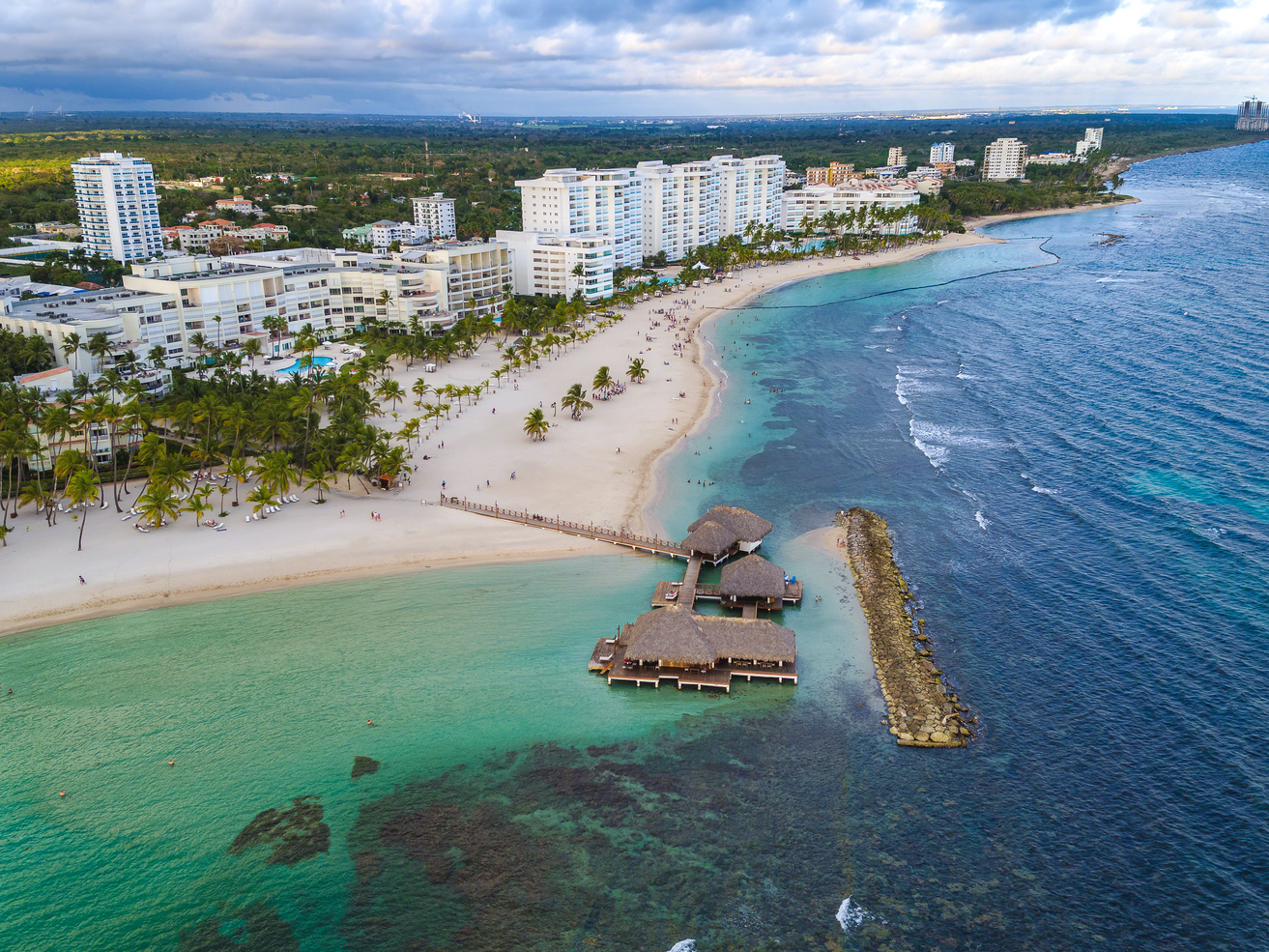 Guayacanes and Juan Dolio are resort towns that are very popular among the Dominicans. Residents of Santo Domingo come here for a weekend getaway for a relaxing weekend on the coast, dine in a fine restaurant and play a round of golf.
 The two large apartment complexes Metro and Guavaberry, as well as small hotels and many newly built apartments, provide a lively city atmosphere and comfortable accommodation for holidaymakers.
Juan Dolio is also a good option for tourists planning to visit several cities at once. The trip can be combined with sightseeing in Santo Domingo and La Romana. Both towns are about an hour’s drive from Juan Dolio to the west and east, respectively.
Las Americas International Airport (SDQ) is the closest to the resort area.
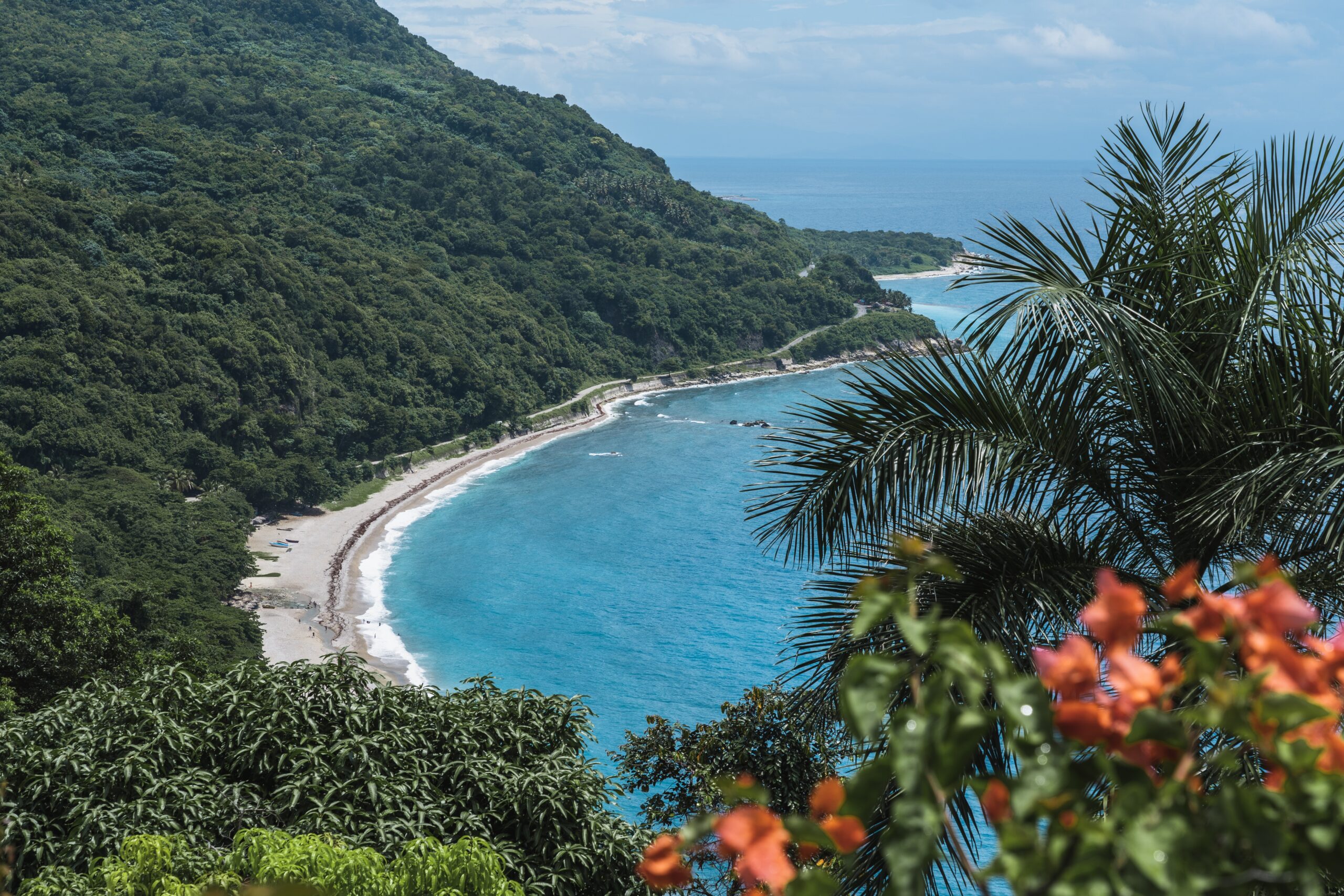 Barahona is located in the west of the Dominican Republic and is a province of picturesque landscapes, ideal beaches, surfing, a variety of flora and fauna and extensive ecotourism opportunities.
 In addition to Barahona, the southwestern direction of the republic includes the provinces of Baoruko and Independencia.
While the southwestern region appears to be small and compactly located on the map, in fact it is quite a vast territory, covering 7,500 km2, which requires at least a few days to visit all the attractions that the provinces are rich in.
Most tourists get here by land transport. The nearest international airport is Maria Montes (BRX), where charter flights can be arranged.
 Travelers come to this valley in search of picturesque mountain landscapes and a pleasant cool climate. The average temperature in the region during the year remains within 5 – 25 degrees Celsius.
 Located 1200 meters above sea level, Constanta is often referred to as the Switzerland of the Caribbean. In winter, from December to March, the temperature in the province can be quite cool, dropping to +5 degrees at night and warming up during the day. In summer, the weather remains comfortable and pleasant, and even in the hottest months of the year, there is a refreshing coolness.
Constanta is the geographical center of the country; immersed in greenery, the province is surrounded by large national parks on all sides. The beauty of the landscape along with the diversity of ecosystems make the Constanta Valley an ideal destination for eco and agro tourism. Most hotels in the region organize sightseeing trips for vacationers. A small airport for domestic flights operates near the valley.
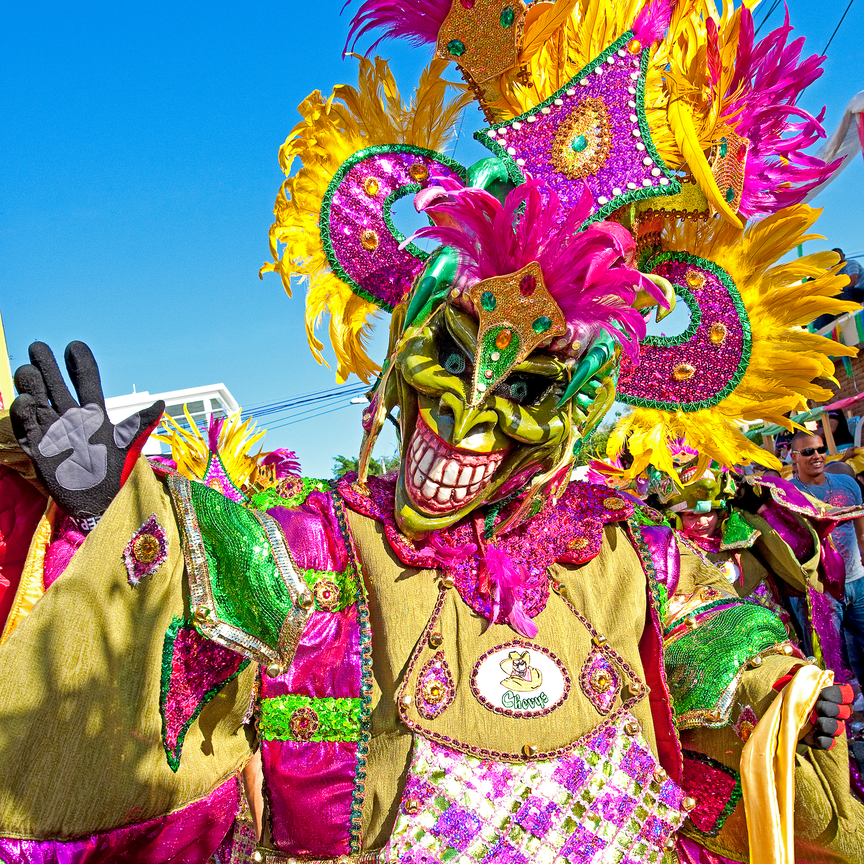 La Vega has gained popularity among travelers all over the world primarily for the bright colors and enchanting colors of the annual February carnival. La Vega is the capital of the province of the same name, also known for its summer mountain resorts such as Jarabacoa and Constanta. La Vega is also the center of veneration for the patron saint of the Dominican Republic, the Virgin Mercedes. Going on a trip to the extreme sights of the republic, it is recommended to set aside time to visit La Vega: this extremely cozy and hospitable city.
 Cibao International Airport (STI) is the closest to the province.
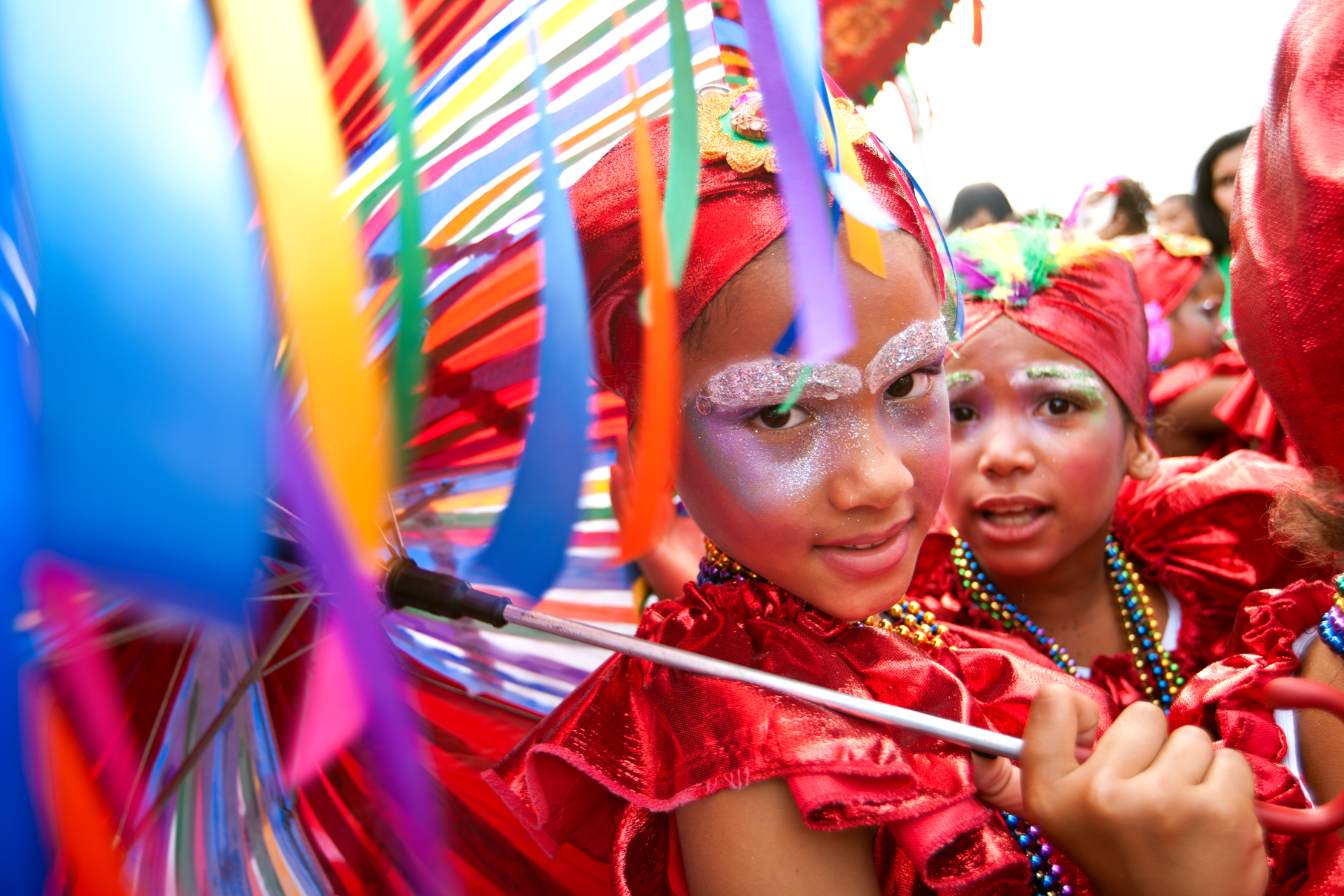 Located between the cities of Santiago and Santo Domingo, Bonao is sometimes perceived by tourists as a short stop on the route in order to eat and recuperate. However, don’t underestimate this city. At first glance, Bonao impresses with its enchanting natural landscapes.
 Due to its location near the Cordillera Central mountain range, the city has a unique climate similar to that of the Alpine. Travelers tired of the hustle and bustle of the city will find pacifying tranquility and solitude here, while outdoor enthusiasts will appreciate the sports activities offered, such as swimming, mountaineering, horseback riding and much more.
Lovers of ecotourism should take part in one of the excursions to the Blanco River and the Jima waterfalls; The Cándido Bidó Cultural Center and the Cristian Tiburcio House Museum are open all year round.
Once in Bonao in February, it is recommended to visit the winter carnival, the celebration of which does not stop for a whole month.
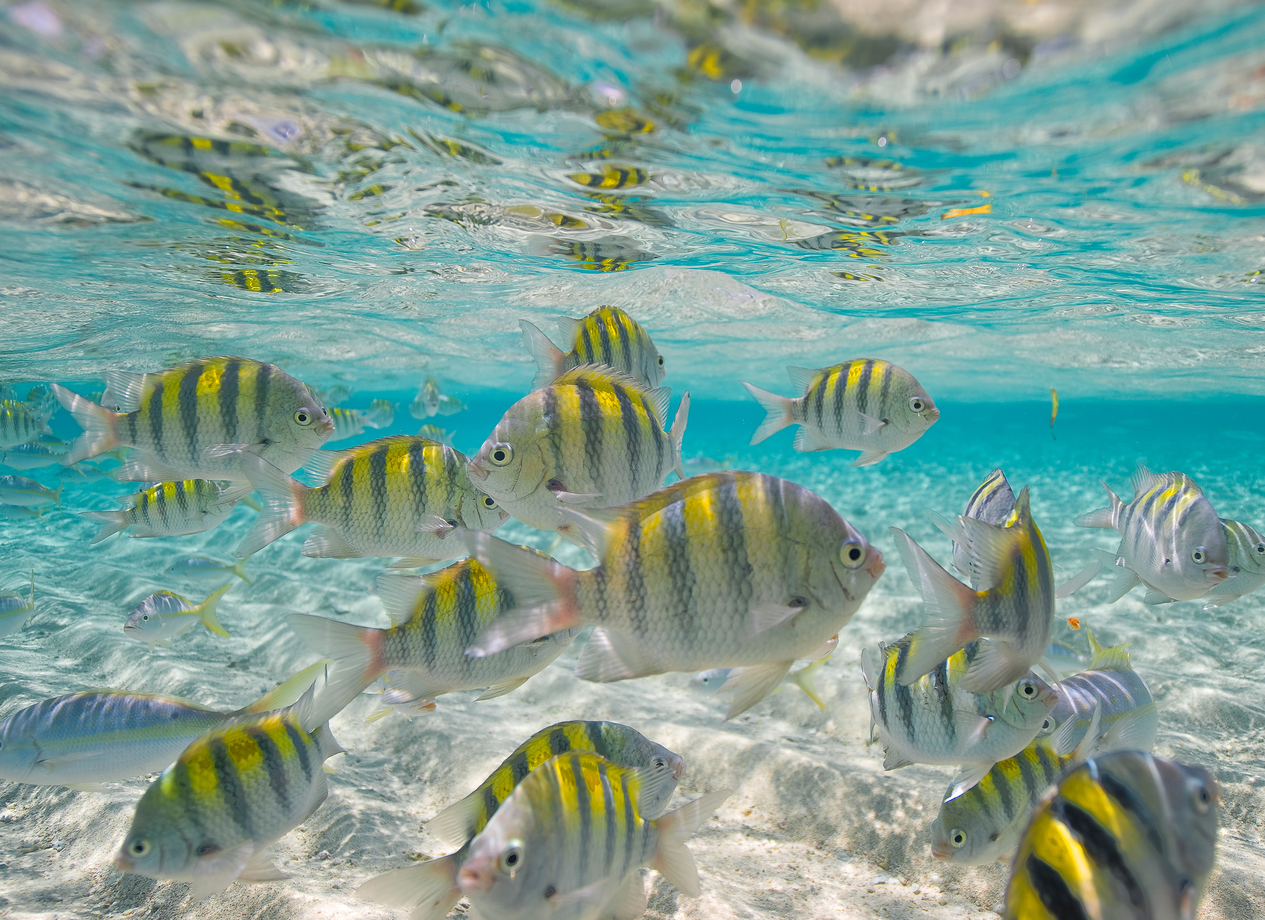 The Province of Montecristi is located in the northwest of the Dominican Republic. Traveling 115 km from Santiago, you find yourself in the capital of the same name, Montecristi, which offers travelers the opportunity to plunge into the historical past, enjoy amazing nature, and provide some of the best diving and snorkeling opportunities in the country.
 Few know that the city was founded in 1501 by Nicolas de Ovando and named San Fernando de Montecristi in honor of the King of Spain – Ferdinand. It was here that the country’s first water supply system was installed, the first railway was built and telephone lines were laid for the first time. It was here that the country’s first water supply system was installed, the first railway was built and telephone lines were laid for the first time. During its heyday, the city was a magnet for immigrants from Europe, the United States and South America, who traveled to the province to establish a business exporting timber and agricultural products grown in the region.
Another noteworthy fact about the city: Juan Isidro Jimenez, born here, served as President of the Dominican Republic from 1899 to 1911. The city’s symbol is the El Morro hill, which rises picturesquely over the sea.
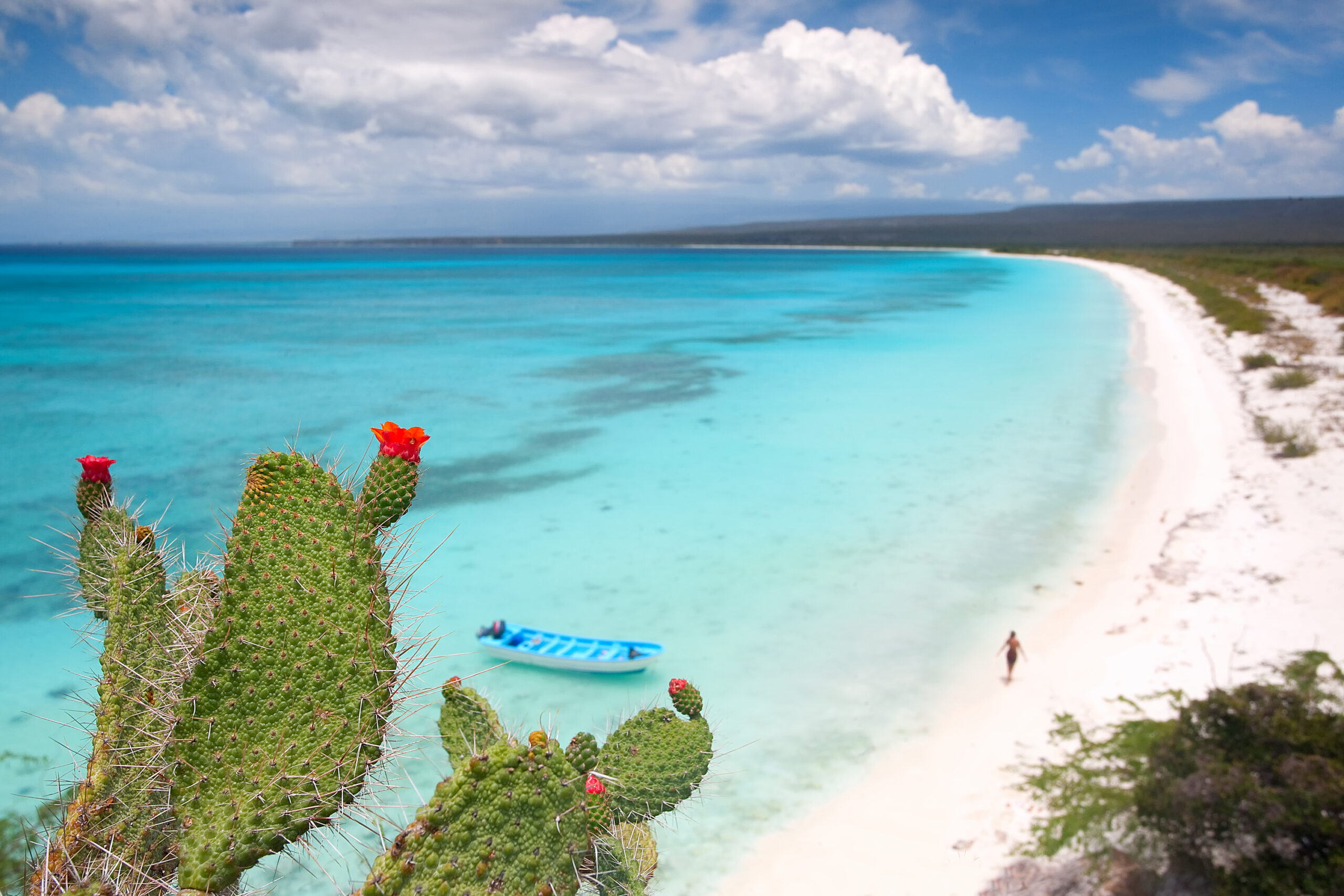 Pedernales is without doubt an ideal holiday destination for explorers and adventure lovers. Must-see points of the trip should be a trip to the Hoyo de Pelempito valley and a visit to Bahia de las Aguilas (Eagles Bay) – a beach that has preserved its pristine beauty since pre-Columbian times. The coastal province of Pedernales lies on the border with Haiti. It is recommended to combine the trip with a visit to the attractions of the provinces of Barahona, Baoruko and Independencia, which together make up the southwestern part of the Dominican Republic. The city of Barahona, 135 km from Pedernales, is a two-hour drive away.
Pedernales is served by Maria Montez International Airport (BRX) and the local Cabo Rojo airport.
Search tickets
Booking Hotel